With Great Power Came No Accountability
By Kieron JH · The Reasonable Adjustment · September 2025
“The world didn’t end, it just stopped pretending.”
Since the pandemic, something in society has fundamentally shifted. Maybe you’ve felt it too: people talking louder, listening less, and showing up places like they’re the only ones who matter. Rules became optional. Courtesy died quietly. Collective respect got furloughed and never came back.
It’s not just cinema-goers ruining cult classics with chicken nuggets and TikTok giggles. It’s NHS receptionists too jaded to care. It’s support workers ghosting vulnerable clients. It’s probation officers brushing off concerns and grievances because “everyone’s under pressure.” The rot isn’t surface-level. It’s systemic.
Lockdown Didn’t Break People, It Exposed Them
COVID didn’t make people rude. It just stripped the mask away. In a world that ran on performative politeness, the pandemic gave everyone an excuse to stop pretending.
- Staff were overworked, but that turned into an excuse for permanent disorganisation.
- People felt isolated, now they act like public spaces are private lounges.
- Services went remote, and forgot how to come back.
Everyone talks about “The New Normal.” But maybe the problem is that it’s not new. It’s just finally visible.
Spider-Man 2.1: A Cult Classic for Those Who Know
The film in question wasn’t just any re-screening. It was Spider-Man 2.1, the extended cut of what is, to many, the greatest superhero film ever made: Spider-Man 2 (2004), directed by Sam Raimi.
This wasn’t part of some trendy multiverse cash grab. It was a genuine cinematic event. A chance to revisit a film that perfectly balanced action, humour, heartbreak, and humanity, long before studios pumped out cape flicks like they were fast food.
Tobey Maguire’s Peter Parker wasn’t a quip machine. He was relatable. Flawed. Overwhelmed. Poor. An awkward, burdened young man juggling responsibility and rejection, while the world kept kicking him down. That train scene? Iconic. The landlord subplot? Hilarious. Doc Ock? Shakespearean.
And Spider-Man 2.1, the version that was screened, adds subtle depth. Extra dialogue. Expanded fight choreography. Moments that were cut for runtime but never should’ve been. It’s not a different movie, it’s the definitive version. A love letter for the fans who were really there.
This Wasn’t Just a Screening. It Was a Homecoming.
For me, this trilogy wasn’t just entertainment. I’m autistic, and Spider-Man was my first special interest, long before I understood what that even meant. He wasn’t just a character. He was a blueprint.
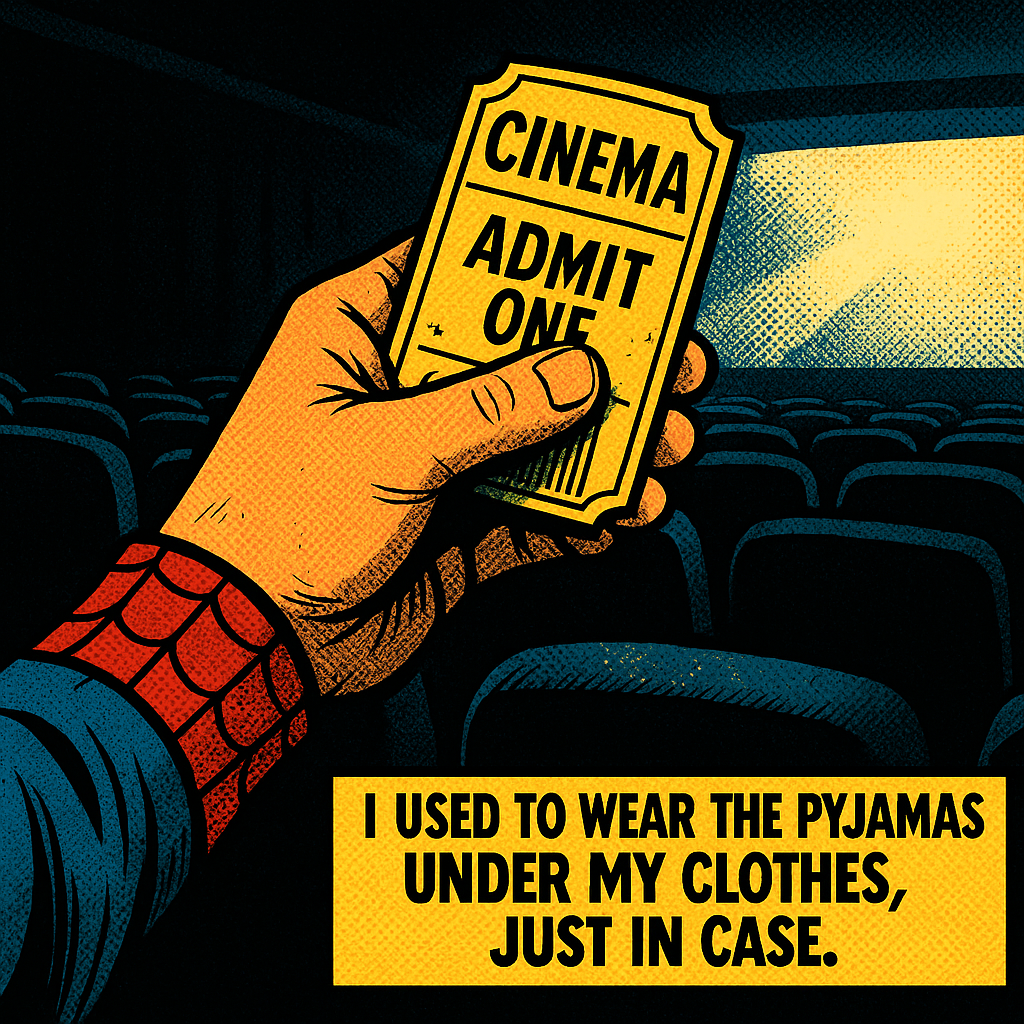
And I wasn’t passive about it either. I used to leave the house with my Spider-Man pyjamas hidden underneath my normal clothes just in case. Like, just in case it all kicked off and the citizens of Tyneside needed the autistic Spider-Man to step in and save the day. That’s how seriously I took it. That’s how deeply I connected to it.
So when Cineworld announced the Spider-Man 2.1 re-release, I didn’t hesitate. I bought an Unlimited membership purely to attend all three screenings of the trilogy. I arrived early. I was ready to disappear back into the web-slinging world that raised me.
Instead, it was trashed.
Three teenagers showed up late, moved seats, laughed and joked among themselves, left halfway through to grab McDonald’s, and then returned to eat it loudly while continuing to ruin the experience for everyone around them. The group next to me eventually snapped and told them to shut the f*** up. Staff didn’t intervene. And the moment I’d waited weeks for, something deeply personal, was gone.
Cinemas, Clinics, and Customer Service: The Collapse of Public Decorum
We’re now living through what you might call the Me Era, not in the empowering sense, but in the sod everyone else one.
In cinemas, grown adults scroll TikTok during films. Teenagers treat screenings like Snapchat sets. Staff don’t intervene. Why would they? They’re understaffed, underpaid, and know complaints will go nowhere.
In public services, autistic and disabled individuals are told to be patient while systems actively ignore or exclude them. If you flag poor treatment, you’re labelled abusive. If you advocate for yourself, you’re difficult.
The system is no longer broken. It’s disinterested in being fixed.
The Accountability Vacuum
One of the worst side effects of the pandemic is the evaporation of accountability. Everyone blames the same things:
- COVID backlog
- Staffing issues
- Budget cuts
- Sorry, we’re really busy
It’s not that these aren’t real. It’s that they’ve become permanent shields, used to excuse incompetence, passivity, and at times, outright cruelty.
We’ve normalised neglect. And when you normalise something long enough, people stop noticing it.
So What Do We Do?
We document. We hold the line. We speak up, even when it’s tiring.
At The Reasonable Adjustment, we’ve built an entire platform out of frustration with the post-COVID decay of standards. But also out of hope. Hope that accountability isn’t dead. Hope that transparency still matters. Hope that someone, somewhere, still gives a damn.
Because if we don’t keep pushing back, then yes, the rot wins.
Call to Action
Have you experienced post-pandemic rudeness, decay, or decline in services?
Leave a comment below or share your story, anonymously or otherwise, and let’s build a record that can’t be ignored.

Be First to Comment