
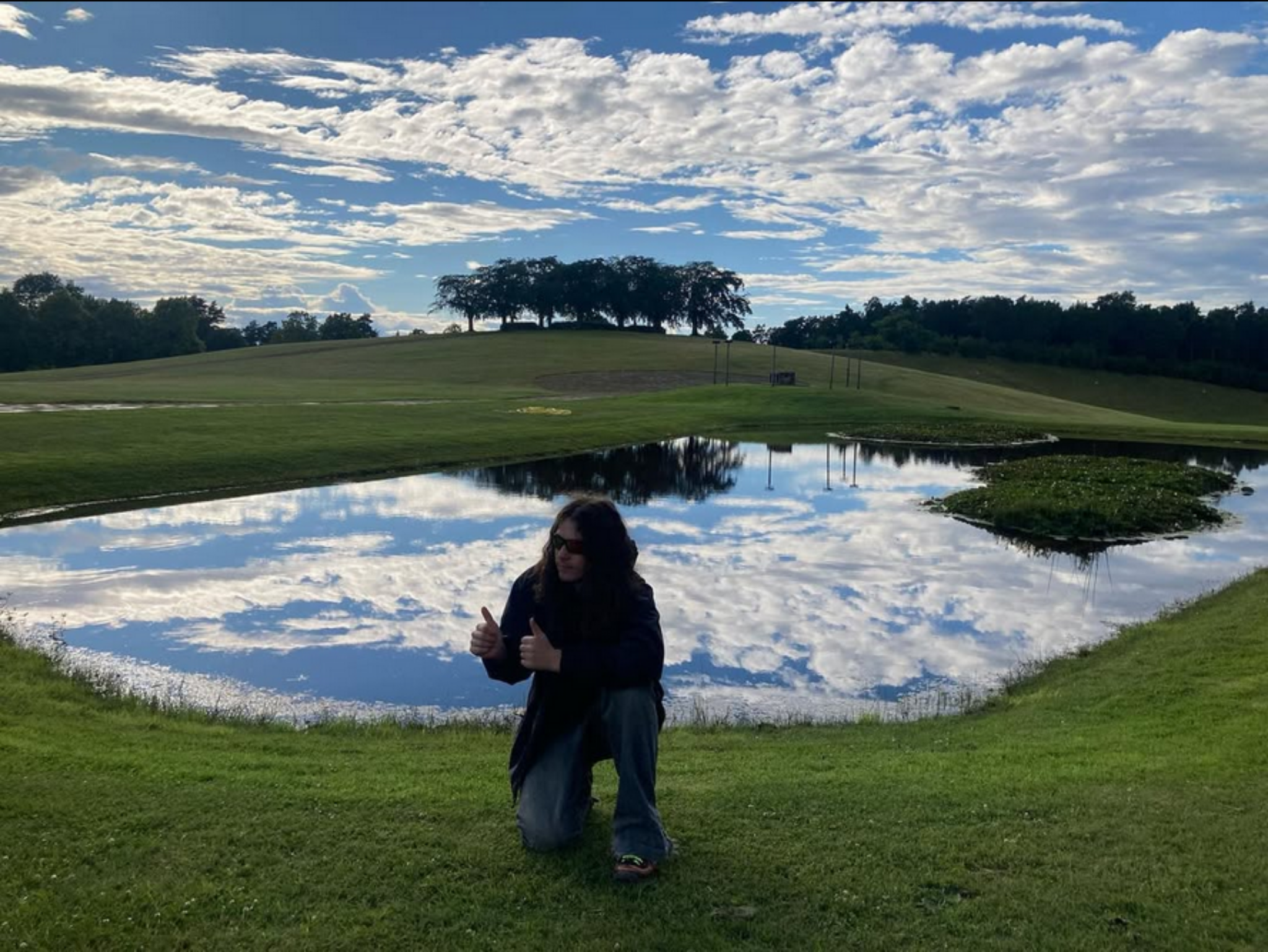
Bladee is a Swedish artist (Benjamin Reichwald) and a core member of Drain Gang, a collective that grew out of internet-first rap and SoundCloud-era music culture. He’s been around for years, but his audience keeps skewing younger and more online, and you’ll often see people in the fandom openly describing themselves as autistic or ADHD.
This is not “Bladee is autistic” or “Bladee is ADHD” or any other fan-diagnosis nonsense. It’s simpler than that. Certain types of music reliably attract certain types of listeners. Bladee’s music and the culture around it line up with neurodivergent listening habits in a way that’s easy to explain.
If you’ve never listened, here’s the quick audio description. His vocals are heavily processed (autotune and effects), his delivery is often controlled and steady, and the emotion is carried more by the overall sound and writing than by dramatic vocal acting. The lyrics are often symbolic rather than literal, which makes repeat listening rewarding.
Gatekeeper
“Gatekeeper” works as an opener because gatekeeping is a familiar autistic experience.
Unspoken rules, vague expectations, and decisions made without explanation. Being judged as “wrong” without ever being told what the criteria were.
It also mirrors the reality of disability advocacy, where access is often controlled by individuals who decide, quietly and subjectively, who is taken seriously and who is not.
Who Bladee is, in plain terms
A Pitchfork cover story describes him as coming up as a shy Swedish teenager who found an outlet in punk and graffiti, then shifted into rap as the SoundCloud era took over. Drain Gang started by uploading music online (including early releases shared as downloads), and Bladee became one of the key voices of that scene.
That background matters because Bladee’s whole career is “online first.” The fandom behaves like an internet community, not a traditional band fanbase. That attracts people who prefer lower-pressure social participation.
The pattern: why neurodivergent listeners cluster here
1) The vocal delivery is controlled, which lowers emotional demand
You specifically mentioned “monotonal voice.” That’s a real feature of his style, and it can be a plus. A lot of music performs emotion in a way that demands a reaction. Big vocal swings, obvious cues, “feel the feeling now.” Bladee often doesn’t do that. The voice stays controlled, and the emotion is expressed through the production and the writing.
For autistic listeners (and plenty of ADHD listeners too), that can be easier to stay with. It can feel less invasive, less like the song is grabbing your collar.
2) The emotional range is wide, it’s just delivered differently
Controlled delivery does not mean “no emotion.” Bladee’s projects swing across moods, euphoria, anxiety, emptiness, tenderness, paranoia, and self-mockery. Pitchfork describes his 2024 album “Cold Visions” as spiraling between euphoria and torment, and notes how he talks about his year as “up and down.”
That’s a common neurodivergent preference: emotional intensity, without theatrical performance.
3) The lyrics reward pattern-seeking and repeat listening
Bladee writes in motifs and symbols. You can listen once and enjoy the surface, or you can listen ten times and start spotting the recurring themes, images, and self-references. That’s catnip for pattern-brains.
In the Pitchfork interview he also talks about how he didn’t set out to build some grand “world,” but he’s aware there’s world-building going on. That accidental consistency is a big part of why people get obsessive about it.
4) Identity distance and “I’m just a vessel” energy
Bladee has a famous old tweet about being “just a vessel,” and in the Pitchfork interview he expands on that idea, describing a kind of distance from the “artist” identity and difficulty taking credit or fully identifying with what he does.
I’m not turning that into a diagnosis. I’m pointing out why it resonates. A lot of neurodivergent people know what it feels like to have a gap between “me” and “how I come across,” or to feel detached from the social character you’re expected to play.
5) The community is online-first and low-pressure
Pitchfork describes the “online Drainer demographic” evolving over time, and notes how young the audience is at shows. Online fandom is naturally more accessible for people who find in-person scenes exhausting, confusing, or overstimulating. You can lurk, replay, collect references, post occasionally, and still feel like you’re part of it.
Receipts: what people actually say
If you look at fan spaces, people don’t just talk about Bladee like “this is a banger.” They talk about him like a tool, like something they use to regulate mood or focus, and they bring autism and ADHD into the conversation constantly.
Examples you’ll find in the wild include:
- Threads where fans straight-up ask if Bladee is autistic, then argue about it (usually badly), which proves the topic is constantly on people’s minds.
- Autistic listeners talking about how certain music (including Bladee) hits them physically and emotionally, like it flips a switch.
- Fans joking about autism in a “this is our tribe” way, not as an insult, more like a self-ID meme.
So what’s the actual point
Bladee seems to attract a neurodivergent following because the music is emotionally intense without being emotionally aggressive, the lyrics are replayable and pattern-rich, and the fandom is built around online participation rather than social performance.
“Gatekeeper” at the top isn’t there as a fan flex. It’s there because it fits the theme: access, rules, belonging, rejection, and people acting like they’re the bouncer to a club you never asked to enter.
Sources
- Pitchfork, “A Rare Interview With Bladee” (Feb 25, 2025)
- Pitchfork, “The Rise of Dissociation Music” (Jun 22, 2022)
- Example fan thread: “Bladee autism connection?” (r/sadboys)
- Example mention: autistic listener referencing Bladee (r/autism)
Extended reading
- Windowlicker, Aphex Twin, commentary
If you’re interested in how sound design, repetition, and uncomfortable textures can turn into something oddly compelling, this is the closest sibling piece on the site. - What is the Xandemic, hidden dangers of Xanax
A straight explanation of what Xanax does, why it’s so risky, and how “calm in a pill” turns into dependence, memory loss, and emotional flattening. - The Xandemic, Xanax, SoundCloud, addiction
The culture side, how benzos got normalised through online scenes and “sad rap” aesthetics, and why that matters when people are self-medicating anxiety and overload.
Disclaimer
This article discusses listener experience and fandom culture. It does not claim or imply any diagnosis about Bladee or any other artist.


Be First to Comment