
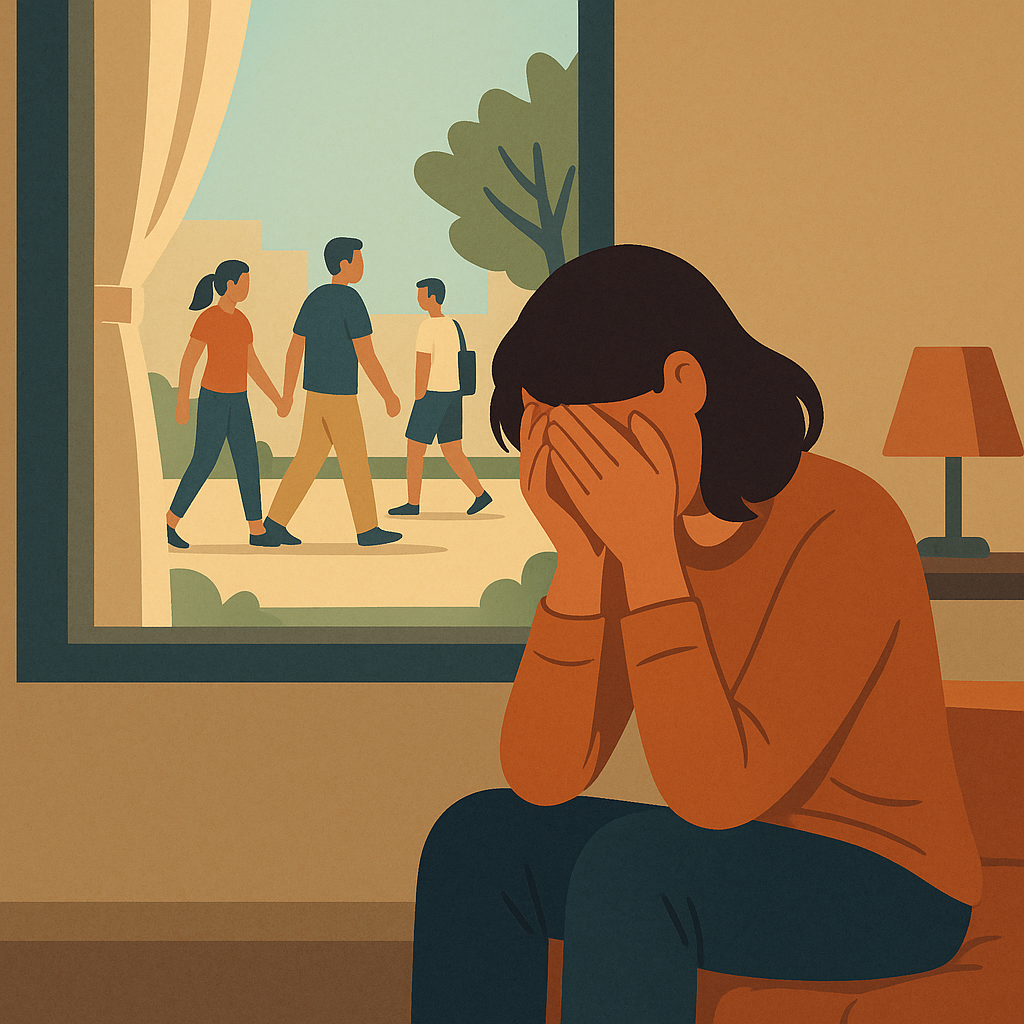
Information guide for people in the UK who are housebound, anxious about leaving home, or worried about work and benefits because of agoraphobia.
Not medical advice and not legal advice. This page is here to help you understand the landscape, then decide what you want to do next.
What is agoraphobia
Agoraphobia is an anxiety condition where you feel intense fear in situations that are hard to escape or where you worry that help will not be available if you panic or feel unwell. For some people this looks like fear of crowded shops or public transport. For others it becomes so severe that leaving the house at all feels impossible.
Agoraphobia often appears alongside panic disorder, social anxiety, depression, or long term physical health conditions. It is not about being lazy, difficult, or “overreacting”. It is a recognised mental health condition in the UK and it can be disabling.
Who might have agoraphobia even without a diagnosis
Many people in the UK meet the criteria for agoraphobia but have never been diagnosed. You might recognise yourself in some of these patterns:
- You avoid buses, trains, planes, or busy roads because you are scared of panicking or being trapped.
- You only feel safe going out with a specific person, or only to a tiny list of “safe” places.
- You constantly scan for toilets, exits, and escape routes whenever you leave home.
- You have panic symptoms just thinking about appointments, job interviews, or travelling to work.
- You have gradually reduced how far you travel, until you rarely leave your home at all.
You still count even if you mask it, push through, or tell yourself it is “not bad enough”. The fact it is affecting your daily life is the point.
Is agoraphobia a disability under the Equality Act 2010
In UK law, you do not need the word “agoraphobia” on a letter for your condition to be a disability. Under the Equality Act 2010, you are likely to be classed as disabled if:
- You have a physical or mental impairment, for example an anxiety disorder such as agoraphobia.
- The impact is substantial, it is not a minor or short term inconvenience.
- The impact is long term, usually twelve months or more, or likely to last that long.
- It affects day to day activities, for example shopping, attending appointments, travelling, working, or socialising.
If your agoraphobia makes it very difficult to leave home, use public transport, or attend work in person, then it will almost always meet the Equality Act threshold. That means employers and many education providers have a legal duty to consider reasonable adjustments, not just “nice to have” favours.
For a deeper breakdown of how reasonable adjustments work in law, see our guide Equality Act, Section 20 explained.
Getting diagnosed with agoraphobia in the UK
There is no private password to diagnosis. You do not need to use perfect clinical language. What matters is explaining clearly how your life is affected and for how long it has been happening.
- Step 1, talk to your GP
Book a GP appointment and be direct that you are worried you may have agoraphobia or panic attacks linked to leaving home. If you struggle to attend in person, ask for a telephone or video appointment and say why travelling is a barrier. Explain:- What situations you avoid and why.
- How often you have panic symptoms.
- How long this has been happening.
- How it affects work, benefits appointments, study, or caring responsibilities.
- Step 2, NHS Talking Therapies or community mental health
In England, GPs usually refer to NHS Talking Therapies for anxiety and panic disorders. In Scotland, Wales, and Northern Ireland, the name and structure differ but the idea is similar, structured psychological therapy. If your symptoms are severe, your GP may also refer you to a community mental health team or crisis service. - Step 3, letters and evidence
Ask politely for a short letter that confirms your diagnosis or the working diagnosis, how long symptoms have been present, and that it affects daily functioning. You can use this as evidence when asking for reasonable adjustments at work, with DWP, or in education. Do not be embarrassed to ask. Services are used to writing these letters.
If you are already in therapy but nobody has named agoraphobia specifically, you can still ask for a letter describing your functional difficulties around leaving home and being in public places. The legal test is about impact, not labels.
Common treatments for agoraphobia
Treatment is not about forcing you to “just go outside”. Good treatment is planned, gradual, and collaborative. Common approaches in the UK include:
- Cognitive Behavioural Therapy (CBT)
Focuses on the link between thoughts, physical symptoms, and behaviour. For agoraphobia, this often includes building a graded plan to face feared situations in tiny steps that feel achievable, with support. - Graded exposure work
You create a fear ladder, for example standing just outside your front door, then walking to the end of the street, then a short bus ride, and so on. The idea is to teach your nervous system that these situations are survivable, and that panic peaks then falls. - Medication
GPs or psychiatrists may prescribe antidepressants such as SSRIs for anxiety disorders, and sometimes short term medication to help with acute panic. It is always your choice whether to take medication. You can ask about benefits, side effects, and how it fits alongside therapy. - Peer support and groups
Local or online groups for anxiety, OCD, or trauma can help reduce the shame and isolation that agoraphobia creates. You are not the only one avoiding public transport or supermarket queues, even if it feels like it. - Digital and blended support
Many NHS Talking Therapies services now offer video sessions, guided online programmes, and phone calls, which can be easier for people who are housebound.
You are allowed to take treatment slowly. You are allowed to say “that is too much for me right now” and negotiate smaller steps.
Workplace rights and reasonable adjustments if you have agoraphobia
If your agoraphobia has a substantial and long term impact on your ability to travel or be in certain environments, your employer in the UK has a duty to consider reasonable adjustments. This duty exists regardless of whether you have told them the exact diagnosis, although being clear can help.
Examples of adjustments that might help someone with agoraphobia include:
- Home working as the default, full time or for part of the week.
- Hybrid patterns that avoid rush hour or busy public transport.
- Moving your workstation away from the public facing front desk or crowded open plan areas.
- Allowing camera off for video meetings when anxiety is high.
- Using written communication instead of unexpected phone calls wherever possible.
- Allowing someone to accompany you for key in person meetings where possible.
- Flexible start and finish times so you can travel at quieter times if you need to go in.
- Short notice home working when symptoms spike, instead of forcing sick leave.
When you are ready, you can frame your request in practical terms. Focus on what you can do if adjustments are in place, not just what you cannot do. For example, “If I can work from home four days a week and come in one quieter day, I can meet all my deadlines and attend core meetings without risking full shutdown.”
If you need to ask for changes to recruitment or interviews, see our guide on reasonable adjustments for interviews and adapt the examples for agoraphobia, panic attacks, or severe anxiety.
How to talk to your employer about agoraphobia
You do not have to share every detail to get support. You can:
- Explain that you have a long term mental health condition that affects travel and crowded environments.
- Mention that it meets the Equality Act 2010 definition of disability, or that your GP or therapist considers it long term and substantial.
- Attach a short letter from your GP, psychiatrist, or therapist if you have one.
- Propose specific adjustments and explain how they will help you keep working safely and consistently.
If your employer ignores you, delays endlessly, or punishes you for asking, make notes. Keep copies of emails, HR forms, and any meeting minutes. This evidence can be important if you need to escalate, for example using ACAS, a union, or legal advice.
Benefits, fit notes, and agoraphobia
If agoraphobia means you cannot work, or you can only manage limited work with adjustments, you may be entitled to support such as Universal Credit, new style ESA, or PIP. These systems are not simple and they are not always kind, but many people with severe agoraphobia do qualify.
A GP or psychiatrist can issue fit notes that describe how your condition affects your ability to attend work or work related appointments. If you cannot attend job centre or assessment appointments in person, you can ask for reasonable adjustments such as home visits, phone assessments, or video calls.
For a wider view of disability and data rights tools, our Know Your Rights: Disability, Data, and Justice hub pulls together UK links on Equality Act rights, regulators, and evidence gathering.
When things feel urgent
If you are in the UK and:
- You feel you may harm yourself, or
- You cannot manage basic self care because of anxiety, or
- You are completely unable to leave your home and it is putting you at risk
then it is not “bothering people” to ask for help. You can:
- Contact your GP and say it is urgent.
- Call NHS 111 and explain clearly that severe agoraphobia is stopping you getting basic care.
- Use out of hours mental health crisis lines in your area, listed on your local NHS trust site.
- Contact Samaritans on 116 123 if you need to talk to someone right now.
You are not weak or failing because you are struggling with this. Agoraphobia is a serious condition that deserves proper support, not eye rolls and “just go outside” comments.
Next steps you can take today
- Write down how agoraphobia affects your day to day life, in your own words, ready for your GP or therapist.
- Book a GP appointment, asking for phone or video if you cannot travel.
- Note down ideas for workplace adjustments you could realistically manage.
- Browse the Equality Act resources on this site, starting with Equality Act, Section 20 explained, so you know what the law actually says.
You do not have to sort everything out in one move. Pick one small step that makes life slightly less hostile, and start there.



Be First to Comment