
Last updated on February 25, 2026
Content warning: This article discusses suicide and mental health struggles.
Who Was Byron Reckful Bernstein
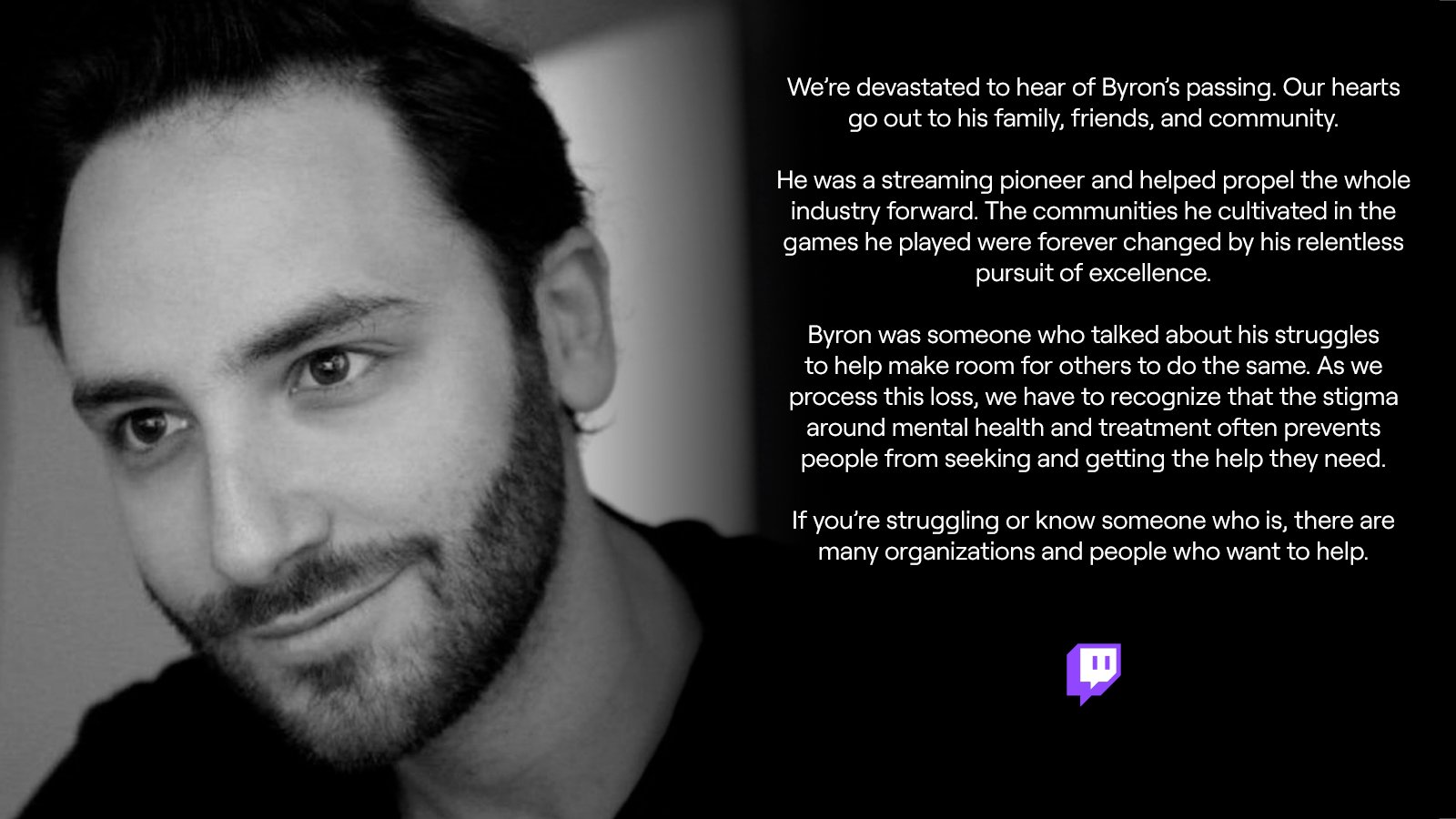
Byron “Reckful” Bernstein was one of the first people to show the world what livestreaming could be. He connected with millions by letting them into his daily life online. To fans, he was more than a gamer. He was someone who made them laugh, think, and feel less alone.
Early Life and Family Tragedy
Byron was born on May 8, 1989, in Texas. As a teenager he lost his older brother Guy to suicide, a loss that changed him forever. He often spoke about how that tragedy made him want to help others who felt isolated or hopeless.
From Gaming Star to Online Pioneer
Byron first found success in online gaming competitions. He was known as one of the best players in the world. When livestream platforms like Twitch emerged, Byron helped shape the culture. He did not just play on camera. He shared his thoughts, his daily routines, and his travels. Viewers felt like they were part of his world, not just watching from a distance.
How He Thought
Beyond entertainment, Byron was sharp and curious. Long-form conversations showed how quickly he could break down ideas and pick apart problems.
A Public Therapy Conversation
Byron also sat for a full, two hour therapy session on stream with a popular YouTube and Twitch therapist, giving viewers an honest look at how he reasoned through his struggles and his life.
The Final Stream and His Message
On July 2, 2020, Byron streamed for the last time. He told his viewers, “If you feel alone, please reach out to someone.” Hours later he died at the age of 31 after jumping from his apartment building in Austin. Looking back, his words feel like both advice to others and a final cry for help.
The Response of Friends and the Community
News of Byron’s death sent shockwaves through the online world. Streamers and fans mourned live on camera. Many reflected on what they could have done differently.
Reckful’s Legacy
Byron Bernstein left behind a legacy that goes far beyond gaming. He showed that online communities can be places of honesty and support, not just entertainment. His vision for Everland is still a reminder of what digital spaces could become if built with compassion in mind.
His story also challenges how we think about mental health. Too often, people share links to helplines instead of reaching out directly. Those resources are important, but real connection is what saves lives. When someone is losing hope, it is not enough to point them to a website. They need people to notice, to call, to sit with them, and to remind them they are not alone.


Be First to Comment