The Reasonable Adjustment
Understanding the Law
Plain-English explainers, case law and FOI investigations, sorted by the part of your life the law touches. Some pieces explain what the law says. Others show what happens when police, courts and public bodies apply it.
- 56 articles
- 6 topics
- 9 FOI investigations
- 7 cases explained
- 15 how-to guides
This is information, not legal advice. We are not a law firm. See what we are and what we are not and our legal disclaimer. England and Wales law unless a piece says otherwise.
How the law is actually applied
Statute says what should happen. These pieces use FOI data, court outcomes and official documents to show what does happen: how speeding cases are really resolved, how a police force reviews its own officer, and how a benefits assessment is run under a contract most claimants never see.
-
 Start here FOI investigation
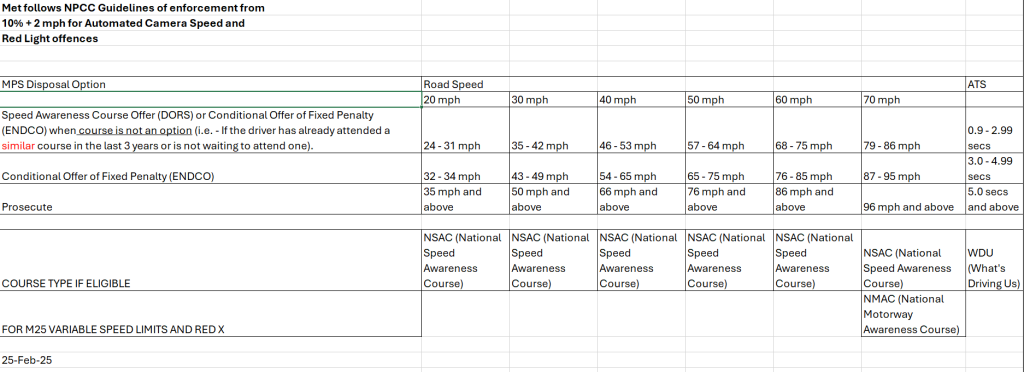
FOI reveals how the Met Police dealt with 737,198 speeding cases in 2025
The Met processed 737,198 speeding offences in 2025. The full breakdown by speed limit, speed band and outcome, including how many ended with no resolved outcome at all.
-
 FOI investigation
FOI reveals how West Yorkshire Police dealt with 277,069 speeding cases in 2025
How West Yorkshire Police handled 277,069 speeding offences: courses, points, prosecutions and cancellations, straight from the force's own data.
-
 Reporting
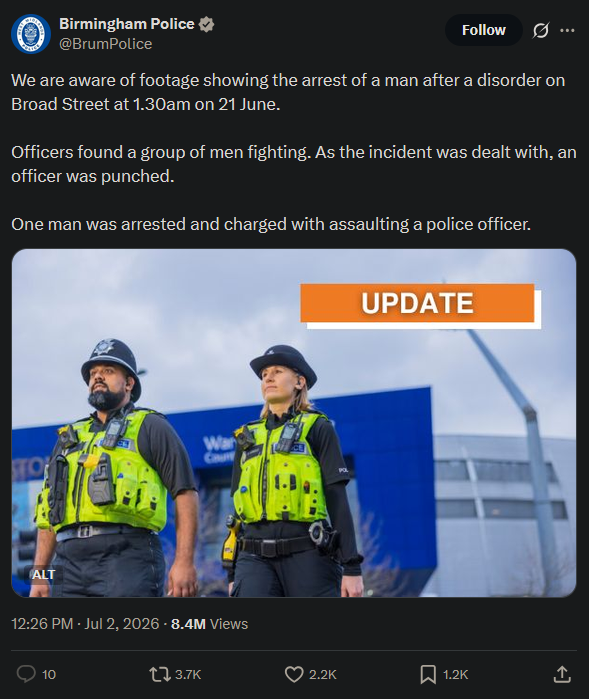
Broad Street Arrest: West Midlands Police Cleared Their Own Officer
A viral arrest, a force that cleared its own officer within days, and what that tells you about how police complaints are handled in practice.
-
 Reporting
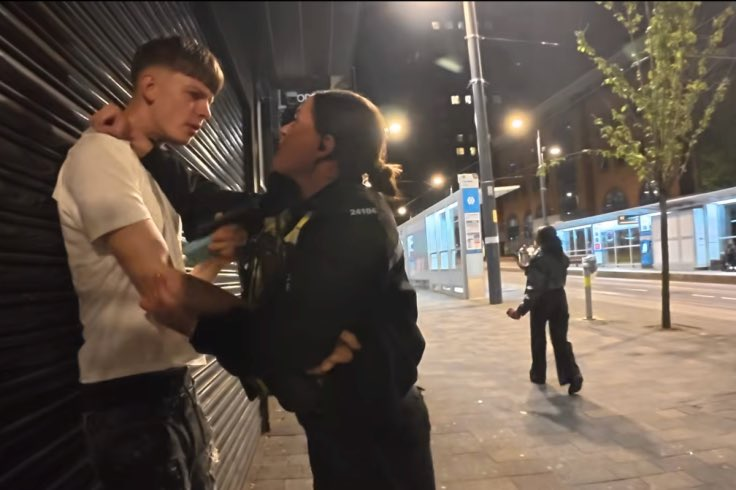
CPS Drops Charges After Birmingham Arrest Footage Weakens Case
The follow-up. The CPS discontinued the charge after reviewing the footage, which shows how the evidential test works once a case reaches prosecutors.
-
 Reporting
Why Did the Henry Nowak Case Reach the Public in Pieces?
Why a closely watched murder case reached the public in fragments, and what CPS charging decisions and court sequencing have to do with it.
-
 FOI investigation
Glastonbury Recorded Fewer Festival Arrests Than Leeds
Arrests, stop-searches and drug seizures at Glastonbury and Leeds Festival compared, using figures disclosed by two police forces.
-
 FOI investigation
The hidden rulebook for your PIP and work capability assessment
PIP and work capability assessments are run under a public contract. What it says, and why not recording your assessment weakens an appeal.
-
 Reporting
DWP Changes PIP Recording Rules Days After Our Investigation
The DWP made assessment recording automatic unless you opt out, days after the investigation above. What changed and what it means for claimants.
-
 FOI investigation
FOI reveals disabled job applicants lost in recruitment data gap
Public bodies logged almost 100,000 recruitment adjustment requests. Many could not say how many were actually provided.
-
 FOI investigation
How Long Do British Councils Keep SEND Records?
How long councils keep education and SEND records, and what FOI responses reveal about missing guidance, refusals and patchy governance.
Disability, equality and reasonable adjustments
The Equality Act 2010 in plain terms: who it protects, what duties it creates, and how to use them at work, in interviews and with services. Includes the tribunal and appeal decisions that show where the lines are drawn.
-
Start hereExplainer
The Equality Act: What You Can Actually Do
The starting point. Who the Equality Act protects, the duties it puts on employers and services, and how you enforce them.
-
 Explainer
Section 19 and 19A: How Indirect Discrimination Works in Practice
Indirect discrimination under sections 19 and 19A, worked through with real examples such as hot-desking and childcare.
-
 Explainer
Equality Act 2010: Understanding Anticipatory vs Reactive Duties
The two adjustment duties: anticipatory for service providers, reactive for employers. Who owes which, and why the difference matters.
-
 How-to guide
How to ask for reasonable adjustments, email templates to help you get a reply
How to ask for reasonable adjustments in writing, with copy-and-paste email templates and what to do if you are refused.
-
 Case law
When compulsory hot-desking becomes a reasonable-adjustment issue
When a fixed desk becomes a reasonable adjustment. Roberts v North West Ambulance Service and Japal v Islington explained.
-
 Case law
Autism, remote work and reasonable adjustments: what this tribunal actually said
An Employment Tribunal found remote working could be a reasonable adjustment for an autistic employee. What the decision actually says.
-
 How-to guide
The Low-Stress Guide to Interview Adjustments in the UK
Asking for interview adjustments without the stress: short scripts, examples for neurodivergent applicants and the legal basics.
-
 How-to guide
What Autistic Applicants Can Ask For Before a Job Interview
A concrete adjustment autistic applicants can request before an interview, taken from a council's own FOI disclosure.
-
 How-to guide
Agoraphobia in the UK, diagnosis, rights, and workplace support
Agoraphobia in the UK: diagnosis, treatment, your rights under the Equality Act and the adjustments you can ask for at work.
-
Explainer
“Gingerism”: Why Isn’t Hair Colour a Protected Characteristic in UK Law?
Why hair colour is not a protected characteristic. A light way into how the nine protected characteristics work, and what falls outside them.
-
 Case law
The Cheshire West Ruling Shows How Disabled People Lose Liberty Quietly
The Supreme Court has overturned the Cheshire West test. What that means for disabled people and deprivation of liberty safeguards.
-
 Explainer
Autistic people and The New Mental Health Act 2025
What the Mental Health Act 2025 changes for autistic people detained in hospital, and how to rely on it in real cases.
Harassment, defamation and free speech
What counts as harassment, what makes a statement defamatory, and where lawful criticism ends. Useful whether someone has made a threat against you or you are worried about what you are allowed to say.
-
 Start here Case law
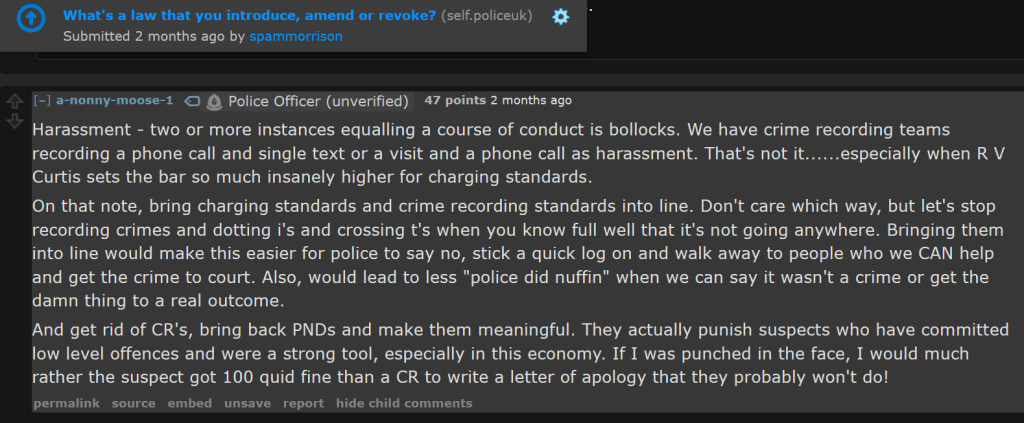
Rex v Curtis (2010): Weaponising Harassment Allegations
What harassment means in criminal law, and why R v Curtis shows that a couple of unwanted contacts do not automatically meet the threshold.
-
 Case law
How Hayes v Willoughby (2013) Helps Good-Faith Complainants
Hayes v Willoughby in the Supreme Court: harassment law targets obsessive vendettas, not people using complaints and legal rights in good faith.
-
Explainer
The Protection from Harassment Act 1997: A Legal Lifeline for the Powerless
The Protection from Harassment Act 1997 and how it applies to oppressive conduct by institutions and employers, not just stalkers.
-
 Explainer
UK Defamation Law Explained: The Absolute Defence of Truth
How defamation law in England and Wales works if you are threatened with it: truth, honest opinion, public interest and SLAPPs, explained plainly.
-
 Case law
The £8 Million Libel Claim That Became a Legal Landmark for UK Journalism
The first statutory SLAPP declaration, in Kamal v Neidle, and what it means for anyone holding institutions to account.
-
 Explainer
Where Free Speech Ends: Criticism, Beliefs and E&W Law
Criticising beliefs and religion is lawful in England and Wales. Threats and incitement are not. Where the line sits.
-
 Explainer
The Hidden Risk in the Grok Deepfake Scandal? It’s You
Sexualised deepfakes and the criminal law: the offences involved, and the legal risk for people who view or share the images.
Your data and information rights
Subject access requests get you what an organisation holds about you. Freedom of Information gets you what a public body holds about anything. These guides cover how to use both and how refusals are worked out.
-
 Start here How-to guide
Subject Access Request, the plain English FAQ
Subject access requests in plain English: what you can ask for, deadlines, a ready-to-use template and how to escalate.
-
 Explainer
Does a SAR Cover Internal Correspondence About Me? UK GDPR Explained
Whether a SAR covers internal emails about you, and the common tactics organisations use to avoid handing them over.
-
 How-to guide
The Most Underrated Legal Right on Britain’s Streets
If a traffic warden films you on a bodycam, the footage is your personal data. How to get it free with a SAR.
-
How-to guide
Right to Erasure (UK GDPR): Delete Your Data and Keep the Receipts
Using your right to erasure under Article 17 of the UK GDPR, when organisations can refuse, and how to keep a record.
-
 How-to guide
Why WhatDoTheyKnow beats DIY FOI
The easiest way to make an FOI request, how to write one that gets answered, and when to use another route.
-
 Explainer
FOI cost limits explained: how public bodies calculate “too expensive”, and why it rewards bad data
How public bodies calculate the section 12 cost limit, what they can count, and why poor record keeping makes refusal easier.
-
 How-to guide
Vexatious FOI Requests, The Scottish Briefing That England Should Read Anyway
Avoiding a section 14 "vexatious" refusal, using the Scottish Information Commissioner's briefing as a playbook.
-
Explainer
Section 77 of the Freedom of Information Act – What It Is and Why It Matters
Section 77 makes it a criminal offence to destroy or alter records after an FOI request has been made. What it covers.
-
 How-to guide
Turn Policy Into Pressure: a step-by-step FOI and SAR guide
A non-technical playbook for gathering evidence, running SARs and FOIs together, and using an organisation's own policy against it.
Medical cannabis and drug law
Prescribed cannabis has been legal since November 2018, but police, courts, employers and transport operators do not always apply the law correctly. These pieces set out the legal position and the cases where it went wrong.
-
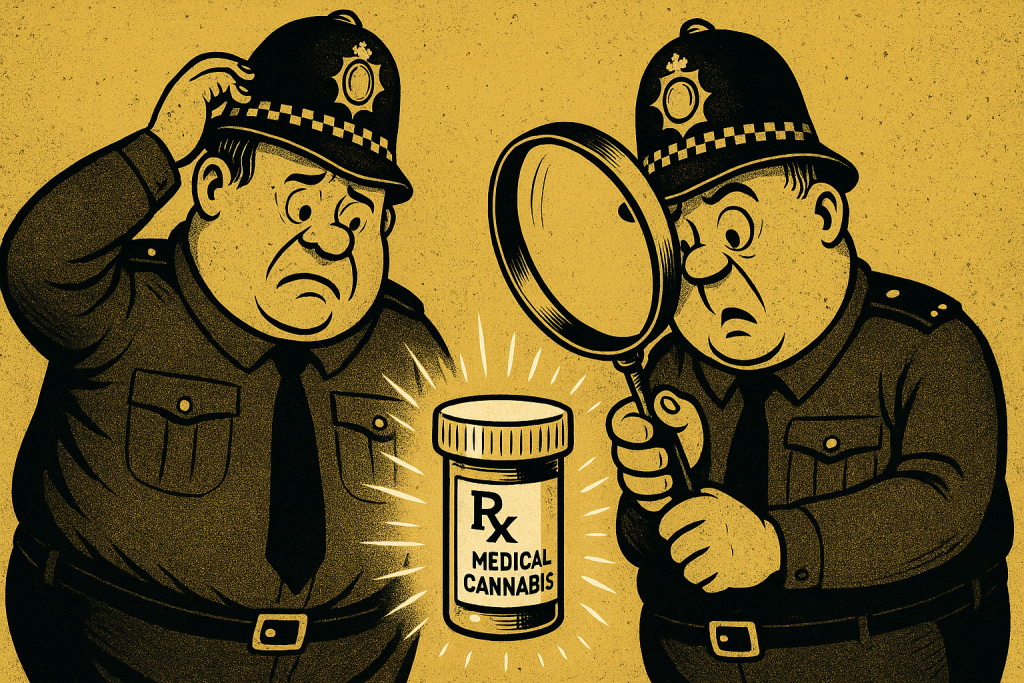 Start here Explainer
Medical cannabis is legal. So why are UK patients still treated like criminals?
Why prescribed patients are still arrested and have medicine seized, with recent cases and what should happen instead.
-
 Explainer
NPCC-Approved Medical Cannabis Guidance
NPCC-approved guidance tells officers to treat prescribed cannabis users as "patients first, suspects second". What it says.
-
 Case law
Drug Driving Or Prescription Use? Crown Court Draws The Line
A patient won a Crown Court appeal against a drug driving conviction. What went wrong at first instance and how the medical defence works.
-
 Explainer
A Recorder said “cannabis is illegal, full-stop”. That is wrong, and it matters.
A Recorder told a defendant cannabis is "illegal, full-stop". What the law actually says about prescribed cannabis.
-
 Reporting
PC Ed Clarke 26450: Staffordshire Police’s medical cannabis problem on Channel 5
A traffic officer on Channel 5 dismissed a prescription and misstated the driving defence. The section 5A defence set out properly.
-
 FOI investigation
DVLA FOI reveals no guidance on medical cannabis
The DVLA holds no guidance on medical cannabis and draws no distinction between prescribed and illicit use. The FOI response in full.
-
 FOI investigation
18 seizures, zero returns: GMP says prescribed cannabis is “disposed of” (FOI)
Greater Manchester Police recorded 18 seizures of prescribed cannabis and returned none. All of it was "disposed of".
-
 Explainer
CBPM and workplace drug testing: your rights in the UK
How workplace drug tests treat prescribed cannabis, what counts as impairment, and your rights under the Equality Act.
-
 Explainer
Medical Cannabis and Work in the UK: Prescription, Policy and Risk
Medical cannabis at work: prescriptions, disclosure, drug testing, occupational health and employer policy.
-
 How-to guide
Travelling Abroad With a UK Medical Cannabis Prescription
Travelling abroad with a UK prescription: which countries allow it, which need permits, which ban it, and what to carry.
-
 FOI investigation
Vaping, Banned Drugs, and Prescribed Cannabis on the Tyne and Wear Metro
How the Tyne and Wear Metro vaping byelaw is enforced, and how staff are told to treat prescribed patients, from FOI and Nexus emails.
Courts, complaints and representing yourself
Practical help for people dealing with organisations, courts and tribunals without a lawyer: reading legal letters, complaining effectively, blowing the whistle and preparing a case.
-
 Start here How-to guide
Legalese Translation Guide, What Legal Terms Actually Mean in Plain English
Common legal terms in plain English, from prima facie to without prejudice, so you can read a legal letter and know what it is doing.
-
 How-to guide
How to Complain to an Organisation Without Being Fobbed Off
How to complain clearly and with evidence when an organisation is ignoring you, minimising the problem or fobbing you off.
-
 How-to guide
How Whistleblowing Actually Works
What counts as whistleblowing, prescribed persons, choosing a route, keeping evidence and staying safe. Template included.
-
Explainer
The Equal Treatment Bench Book: what it is and how to use it
The judicial guidance on fair hearings, and how disabled litigants can rely on it when asking for adjustments in court.
-
How-to guide
Civil Procedure Rules (CPR): A Guide for Litigants in Person (LiPs)
The Civil Procedure Rules for litigants in person: the rules that matter most, common pitfalls and where to find help.
-
 Free tool
LitiQuiz: Equality Act and tribunal revision
Free practice questions on the Equality Act, tribunal procedure and discrimination case law, with explanations.
-
 Free tool
Reasonable CMS: free case management
Free, open-source case management for disabled people handling discrimination claims. Works offline.
Nothing matches that search. Try a broader word, or clear the filter.