By Kieron JH
When people hear “special school” they often picture tiny classes, padded rooms, or endless crafts. The reality is SEN (special education needs) schools are the backbone for children who cannot get what they need in mainstream education. This article lays out what SEN schools really offer, how that compares to mainstream, and why the “cost” debate is rarely what it seems.
What Makes SEN Schools Different?
- Specialist staff and expertise: SEN schools have speech therapists, occupational therapists, psychologists, and teaching staff who genuinely understand a range of conditions. Autism, ADHD, learning disabilities, complex medical needs. In most mainstream schools, a visiting professional is a rare event[1].
- Small class sizes: Typical classes are six to twelve pupils, with multiple adults in the room. In mainstream it is often thirty or more. The result is more support, more flexibility, and lessons built around each student, not just the national curriculum[2].
- Safety and real inclusion: SEN schools treat differences such as meltdowns, stimming, or unique communication as part of everyday life. These are not seen as disruption or misbehaviour. Mainstream settings often punish or isolate these behaviours[3].
- Therapy and facilities: SEN schools provide access to sensory rooms, hydrotherapy pools, hoists, communication devices, and tailored environments. Most mainstream schools do not have these facilities.
- Peer groups and social growth: Disabled pupils are not the “odd one out.” Friendships form naturally. Bullying is less frequent and less tolerated[4].
Mainstream Comparison
Mainstream schools can work for children with mild or moderate needs if the school is properly resourced and committed. Too often, “inclusion” means a teaching assistant, some paperwork, and little else. Many children end up isolated, excluded, or quietly removed from the roll[5].
The Money Question: Are SEN Schools Worth It?
- SEN schools cost more: Smaller classes, intensive staffing, therapies, and specialist transport drive up costs. A place in a non-maintained special school can easily cost £25,000 to £100,000 or more per year[6].
- Mainstream is not free: Schools get notional SEN funding and extra support via EHCPs, but most of it gets absorbed into general budgets. Disabled pupils are often left with minimal help[7].
- Charities bridge the gap: Schools like Percy Hedley rely on local authority funding and donations to provide therapies, equipment, and enrichment[8].
- Local authorities prefer mainstream for budget reasons: Getting a child into specialist provision often means families must prove in detail that mainstream cannot possibly meet their needs. Many parents end up at tribunal just to secure a place[9].
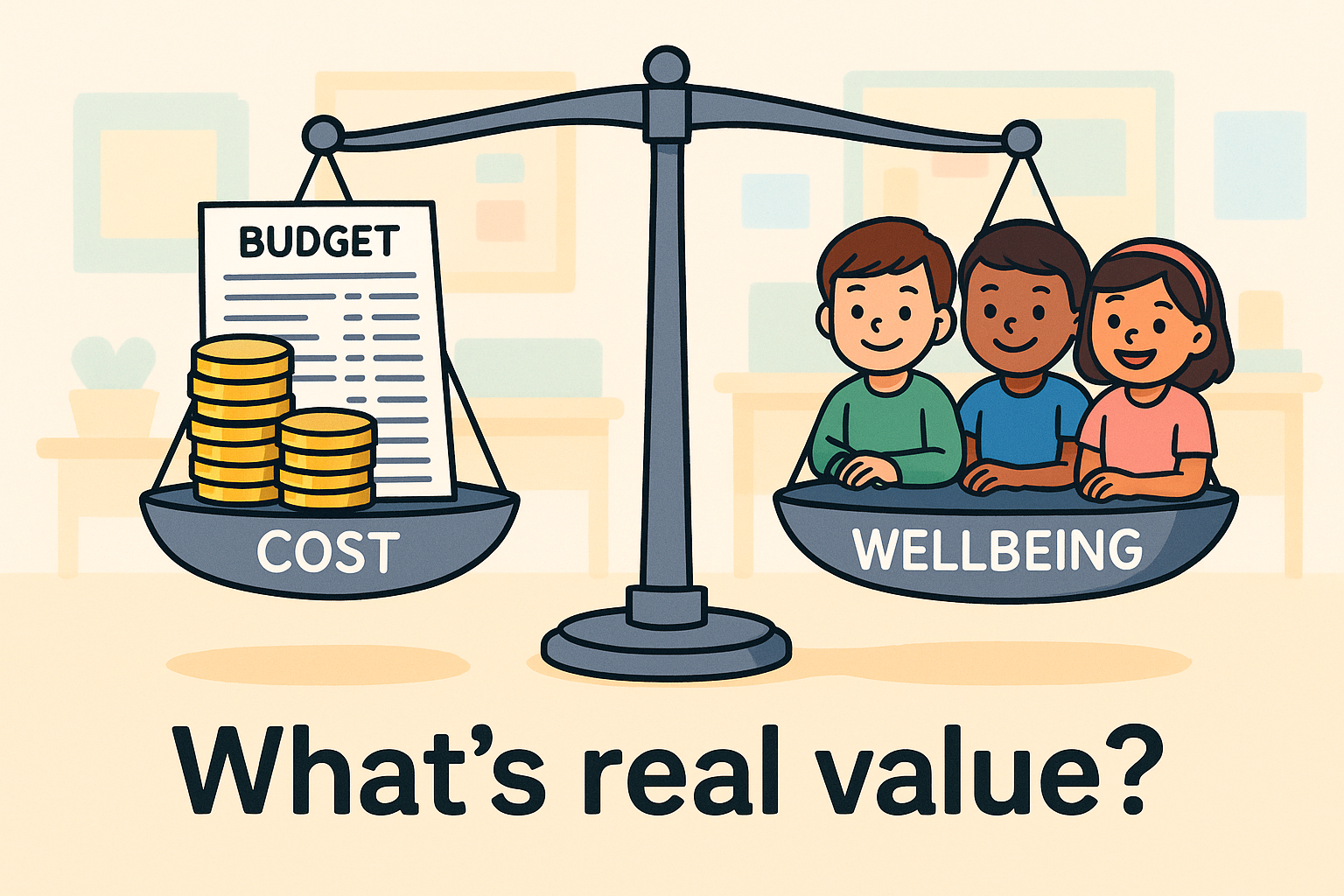
- Value means more than cost: For disabled children, value is measured in safeguarding, happiness, progress, and quality of life. Mainstream can be cheaper up front, but failure costs lives, opportunities, and mental health in the long run.
What Outcomes Matter?
- Communication: Many children learn to communicate for the first time in specialist settings[10].
- Independence: Self-care, travel, and life skills are part of the curriculum.
- Wellbeing: Lower stress, better attendance, and real friendships.
- Better transitions after school: More routes to supported employment, college, and adult services[11].
How Is SEN Provision Funded?
Funding comes from council funding, government grants, and vital charity support. Schools like Percy Hedley in the North East publish annual reports showing how essential donations are for therapy, specialist staff, and enrichment activities[8]. Without this support, many schools would not survive.
The Real Barrier
When you hear a local authority talk about value for money, often it means they want to see who they can underfund this year. Specialist schools are not a luxury. They are the difference between inclusion and lifelong marginalisation. Denying places because of cost is a false economy.
Bottom Line
Mainstream can work for some children. For many with complex needs, SEN schools are a lifeline. If we can fund roads and council offices, we can fund support for the kids who need it most.
References
- National Autistic Society: Education in England
- UK Government: Types of School – Special Schools
- Ambitious about Autism: Exclusions and Inclusion
- Contact: Bullying and Special Educational Needs
- SOS!SEN: Children Out of School
- Local Government Association: SEND Funding and Provision (2021)
- Special Needs Jungle: How SEN Funding Is Used in Mainstream
- Percy Hedley Foundation: Annual Report
- IPSEA: Special Schools and Independent Schools
- Communication Matters: Education Factsheet
- NDTi: The Right Support Report



Be First to Comment