
NECA, TRJ, and the appearance of bias: FOI, comms decisions, and a conflict to fix
Short version: NECA confirmed that The Recruitment Junction received public funds via NECA managed UKSPF programmes. When asked to clarify a CEO line that the charity had “no public money”, NECA’s Communications team declined to comment. The refusal was taken by the Assistant Director for Communications, and NECA says there are no written records because the discussion was verbal. TRJ’s website credits photography to a senior NECA communications officer. That creates an appearance of bias. It also affects the credibility of my FOI outcome. The fix is simple, declare, recuse, and record decisions properly.
Update, 7 Nov 2025
- FOI response confirms routed public funds to TRJ as a named delivery partner across two periods.
- NECA declined to clarify whether the “no public money” statement was wrong. The decision was taken by the Assistant Director for Communications. NECA did not name the individual.
-
NECA states there are no internal communications because it was a verbal conversation.
“There are no internal communications documents as this was a verbal conversation.” NECA response, ref NECA 2508 176
- The internal review repeats the position and adds that there are no records of conversations between individuals.
- Requested supporting records were not provided. The format request for CSV or searchable PDFs was ignored.
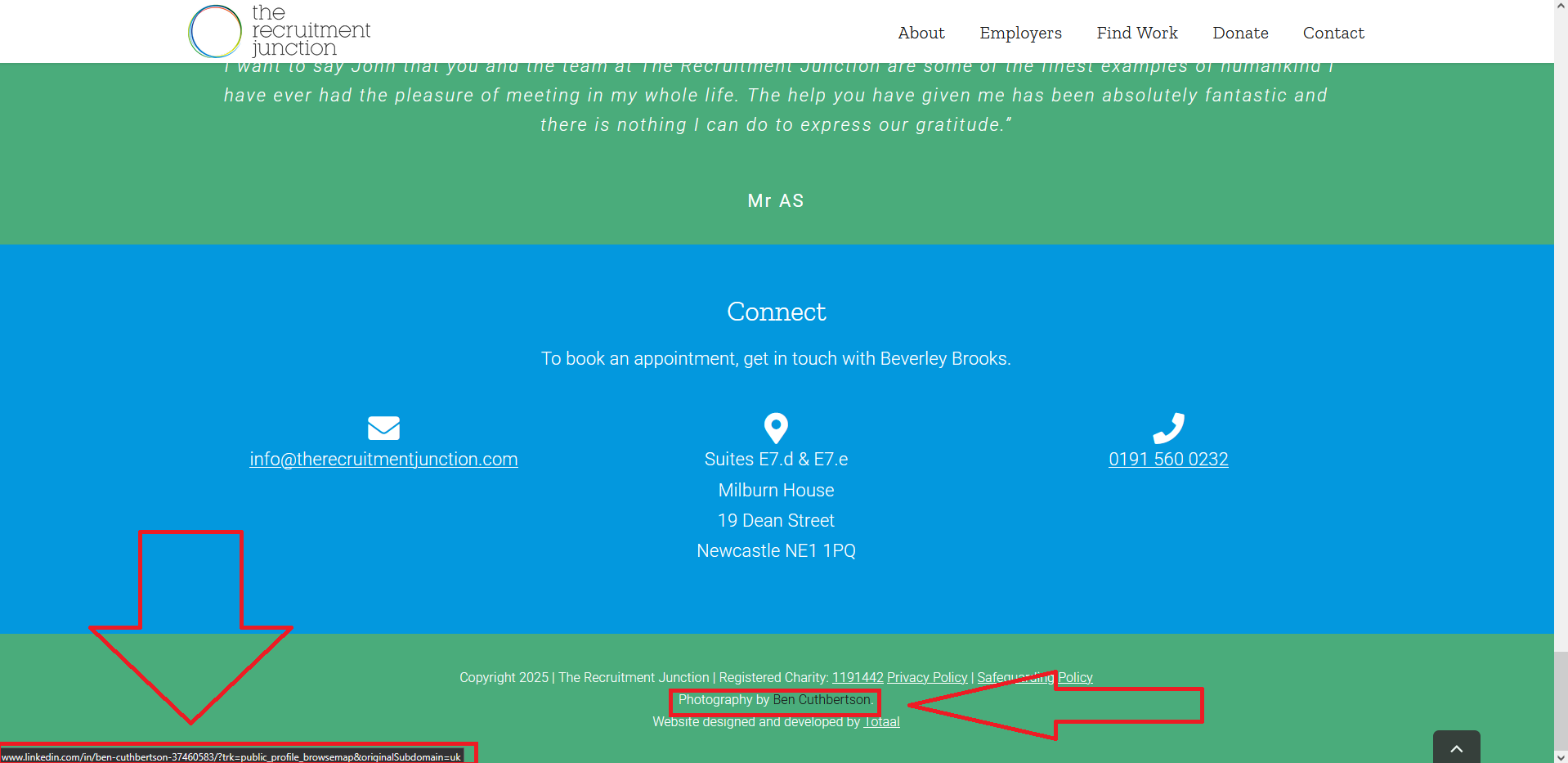
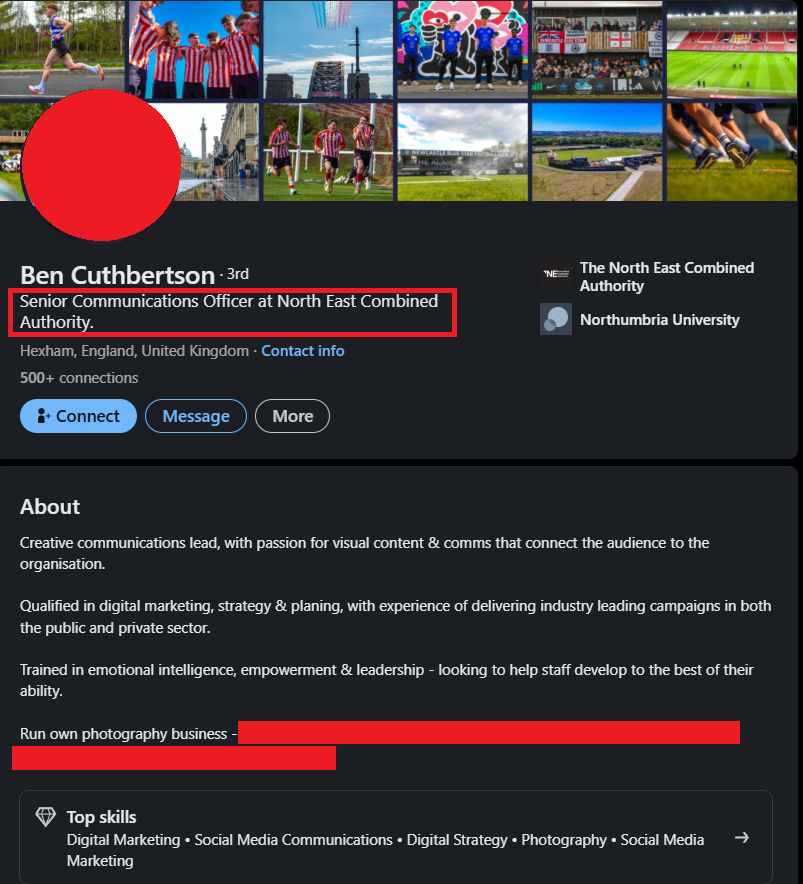
- TRJ’s site footer credits Photography by Ben Cuthbertson. His public profile states Senior Communications Officer at the North East Combined Authority. That is the same department that handled the refusal to clarify.

About NECA, and who is accountable
NECA, the North East Combined Authority, manages regional programmes and UKSPF activity with partner bodies. The elected regional Mayor is Kim McGuinness. The standards of transparency and record keeping across the authority sit within her political mandate, and within the statutory duties of NECA’s senior officers. When sensitive decisions are taken inside Communications without a written record, public confidence suffers.
Why the appearance of bias matters
NECA declined to clarify a disputed public funding statement while the call was taken within Communications. TRJ publicly credits photography by Ben Cuthbertson, who is a Senior Communications Officer at NECA. When the same department that has a visible link to the subject decides not to clarify the facts, a fair minded observer could see a real possibility of bias. This is about process, not personal criticism. The remedy is routine, declare the interest, recuse the connected staff, and move the decision to a neutral FOI or Legal lead with an auditable record.
How this affects FOI impartiality and outcome
- Applicant blind handling: FOI should be handled without regard to who is asking or any parallel dispute. When Communications with a visible link to TRJ controls the decision and refuses clarification, the process is not credibly applicant blind.
- Independence of review: the Section 45 Code expects an internal review to be fair, thorough, and handled by someone not involved in the original decision where possible. Keeping this inside Communications, and keeping it verbal, undermines confidence in the review.
- Decision quality: verbal only decisions reduce accountability and make it harder to assess the reasons. That harms the integrity of the FOI outcome.
What this means in law (plain English)
- Section 10: 20 working days to respond. You can only reset the clock if genuine clarification is needed to identify the information.
- Section 1: the right is to recorded information. Totals without the records that evidence them are usually not enough where those records obviously exist.
- Section 11: requesters can specify form and format where reasonably practicable. CSV for figures and searchable PDFs for documents are standard.
- Section 16: the authority must advise and assist to refine scope rather than stonewall.
- Section 3: information held by contractors or managing agents can still be held for FOI purposes if held on behalf of the authority.
- Section 46 Code: authorities should keep adequate records of significant decisions. Verbal only is poor practice and undermines auditability.
- Apparent bias test: would a fair minded and informed observer think there is a real possibility of bias. On these facts, that possibility is obvious and it affects trust in the FOI decision.
What NECA should do now
- Register the link between NECA Communications and TRJ work, then recuse Communications from this matter.
- Appoint a neutral decision maker from FOI, Information Governance, or Legal.
- Record the rationale in writing, including dates, names, and evidence considered.
- Clarify the “no public money” statement in plain language, or explain the exact basis for any alternative wording.
- Commit to recording significant decisions in writing. Verbal only is not acceptable on issues that affect public trust.
Evidence bundle
Related reading
Newcastle City Council vs NECA, how two authorities handled the same question differently: read the comparison.


Be First to Comment