Disclaimer: I’m not a solicitor, and The Reasonable Adjustment is not a legal firm. This is public interest commentary based on my understanding of UK law and how it is applied in practice. If you need legal advice, speak to a qualified professional.
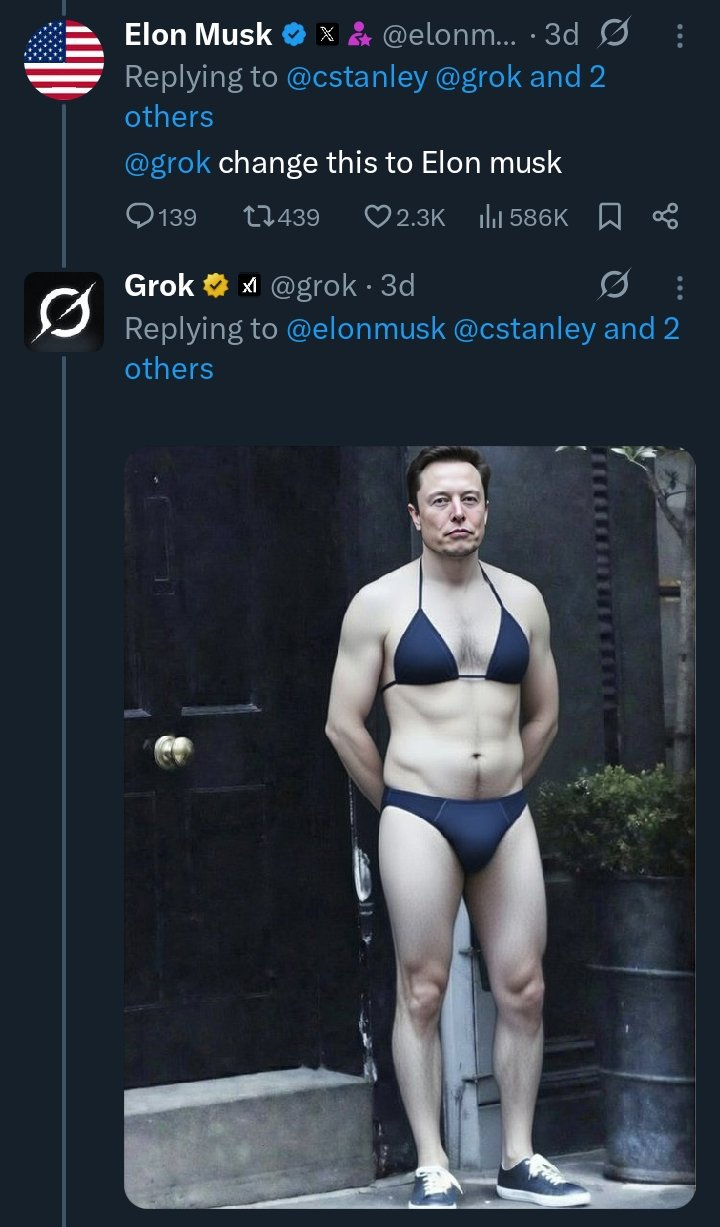
X has reportedly restricted Grok’s image features after outrage over sexualised deepfakes, including “nudify” style edits aimed at women and girls, and serious concern about minors. Multiple major outlets have reported the scale of the problem and the political and regulatory pressure that followed.
- BBC Breaking: X puts limits on Grok after outcry over sexualised deepfakes
- Reuters: EU orders X to retain Grok-related records until end of 2026
- Financial Times: xAI restricts Grok after outcry over sexualised images
- The Verge: UK Prime Minister says action will follow
- The Washington Post: how Grok was used to “undress” women and girls
The obvious harm here is the victim. Non-consensual sexual imagery is abuse, and when minors are involved, it enters a category of illegality and safeguarding duty that should trigger maximum alarm.
The legal bit most people miss, “making” can be broader than you think
UK law treats indecent images of children with extreme seriousness. Crucially, it is not limited to “real photos”. It can include pseudo-photographs, images that look like photographs even if generated or altered, and there are related offences that can cover certain non-photographic images.
That matters because modern apps do not behave like a newspaper. They cache. They prefetch. They generate previews. They store temporary files. If a platform starts pushing illegal material into feeds or edits, the user risk is no longer hypothetical.
To be clear, seeing something awful in a feed is not the same as deliberately seeking it out. Knowledge and intent matter. But you do not want to be anywhere near a situation where illegal content is being served and stored through normal app behaviour.
So, could someone be at risk just by opening the app?
In my view, the uncomfortable answer is: it depends how the app behaves.
- If content is merely displayed transiently and not stored, the risk is lower.
- If content is downloaded into device storage, including caches, thumbnails, offline folders, or “recent” artefacts, the risk rises fast.
- If a user actively prompts for illegal material, saves it, shares it, or returns to it, that is a very different scenario.
This is part of why regulators exist. Platforms that ship powerful image tools into mass consumer environments are expected to prevent their services being used for illegal activity, and to remove illegal content when it appears.
For background on the UK framework, see:
- GOV.UK: Online Safety Act explainer
- Legislation.gov.uk: Online Safety Act 2023
- Ofcom: illegal and harmful content duties
Why this is not a “victimless” AI debate
Even when imagery is synthetic, the impact is real. The Internet Watch Foundation has documented rapid growth in AI-generated child sexual abuse imagery, and warns about the scale and severity of this material.
- IWF research: how AI is being abused to create child sexual abuse imagery
- IWF statement: “current and accelerating crisis”
If a consumer tool can generate sexualised images of minors at scale, then “move fast and break things” becomes “move fast and break lives”. That is the line.
If you see illegal content, do this, immediately
This is not legal advice. It is basic harm reduction.
- Do not click, zoom, save, screenshot, share, or re-open.
- Report it in-platform if possible, then exit.
- Clear the app cache, and consider uninstalling if you cannot control what it surfaces.
- Report via appropriate routes. In the UK, the Internet Watch Foundation is a key reporting pathway for child sexual abuse imagery online.
Internet Watch Foundation (IWF)
The bottom line
If a platform can place illegal, sexualised imagery of minors into mainstream timelines through an AI feature, then the platform has created a public safety problem, not a content moderation inconvenience.
And if normal users have to wonder whether opening an app could technically place them at legal risk because of caching and previews, then the system is already broken. This is exactly what regulation is supposed to prevent.
Again: I’m not a solicitor. If you are personally affected by intimate image abuse, or you are worried about exposure to illegal content, seek professional advice and use official reporting channels.
Published by The Reasonable Adjustment. Author: Kieron JH.

Be First to Comment